


A vibrant, high-grown Kenyan coffee from the hills of Nyeri, delivering bright citrus acidity, Bing cherry sweetness and elegant floral complexity.
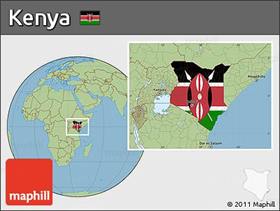
Kenya
Kenya is one of the world’s most celebrated coffee origins, renowned for producing some of the brightest, most complex and most meticulously processed coffees available. Although coffee arrived relatively late compared to neighbouring Ethiopia, it quickly developed an international reputation for exceptional quality, rigorous grading standards and distinctive cup character. Kenya remains one of the most influential origins in specialty coffee, with the country’s auction system becoming a global benchmark for transparency and quality-driven pricing.
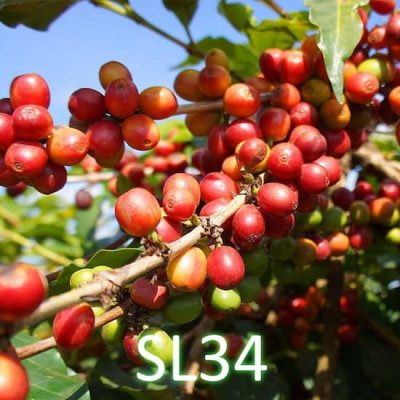
Kenya has played a significant role in shaping the global coffee industry. Scott Agricultural Laboratories developed the famous SL28 and SL34 cultivars, which quickly gained recognition for their drought tolerance and exceptional cup quality. More recently, researchers introduced cultivars such as Ruiru 11 and Batian to improve disease resistance. Nevertheless, these newer cultivars continue to deliver many of the qualities that have made Kenyan coffee famous worldwide.
Smallholder farmers form the backbone of Kenya’s coffee industry. More than 600,000 producers cultivate coffee on small plots, often through cooperative societies that operate local washing stations known as factories. Because quality starts in the field, these farmers carefully select ripe cherries and deliver them promptly for processing. As a result, Kenyan coffees consistently earn recognition for their clarity, complexity and exceptional cup quality.
Kenyan coffees taste different because of a unique combination of cultivar genetics, volcanic soils, high altitudes, cool mountain climates and an exceptionally detailed washed processing tradition.
Nyeri
Nyeri County stretches across the south-western slopes of Mount Kenya in Central Kenya and ranks among the country’s premier coffee-growing regions. Because the region combines high altitudes, favourable growing conditions and fertile volcanic soils, it consistently produces some of Kenya’s highest-scoring coffees. As a result, coffee buyers and roasters around the world actively seek out Nyeri lots for their quality and distinctive character.
Grown at elevations of 1,600 to 2,000 metres above sea level, Nyeri coffee benefits from cool nights, moderate daytime temperatures and consistent rainfall. These conditions slow the ripening of the cherries, allowing complex sugars and flavours to develop over time. The result is a coffee with vibrant acidity, pronounced sweetness and remarkable depth of flavour.
The Thunguri area is located near Mukurwe-ini within Nyeri County, where coffee farms spread across rolling hills and valleys extending from the lower south-western reaches of the Mount Kenya forest. The landscape provides ideal growing conditions and supports generations of smallholder coffee farmers. In the cup, Nyeri coffees are famous for their sparkling citrus acidity, blackcurrant-like fruit character, structured sweetness and exceptional clarity. These characteristics have helped establish Nyeri as one of the most sought-after coffee regions in East Africa.
Kamavindi Coffee Lab
Kamavindi Coffee Lab sourced this coffee through its quality-focused operation at the renowned Kamavindi Estate in Embu County. The Kamavindi Estate produces its own award-winning coffees. However, the team also works closely with farmers and producer groups across Kenya. They share expertise in processing, cupping and lot development to help improve quality. As a result, producers can access valuable knowledge and stronger market opportunities. Consequently, exceptional coffees like this Thunguri Lot AB reach specialty coffee buyers around the world.
Kenyan Thunguri AB
Thunguri Lot AB showcases everything coffee lovers expect from a great Nyeri coffee. Farmers belonging to Rumukia Co-operative Society cultivate this coffee in the hills of Mukurwe-Ini. Because cool temperatures and high elevations slow cherry maturation, the coffee develops exceptional sweetness, vibrant acidity and remarkable clarity.
The cooperative established Thunguri Factory in 1961 when local coffee farmers united to improve their livelihoods through coffee production. Since then, the factory has continued to invest in quality, processing infrastructure and farmer support. Today, 752 members contribute cherries to the factory and help maintain the reputation of Thunguri coffee.
Farmers grow SL28, SL34 and Batian cultivars between 1,750 and 1,900 metres above sea level. Because these cultivars thrive in Nyeri’s growing conditions, they consistently produce coffees with lively fruit character and complex acidity.
In the cup, this lot delivers bright lime-like acidity, fresh Bing cherry sweetness and layers of candied orange and lime. Meanwhile, notes of white sugar and delicate vanilla florals create balance and elegance. Together, these characteristics earned the lot a cup score of 87.
Processing
- Farmers selectively harvest ripe coffee cherries and deliver them to Thunguri Factory on the day of picking.
- The cherries are pulped, removing the outer fruit while leaving the mucilage attached to the seed.
- The coffee undergoes an initial dry fermentation of approximately 20 hours.
- An intermediate wash removes loosened mucilage and helps regulate fermentation.
- The coffee returns to fermentation tanks for a further 24 to 26 hours, creating the factory’s signature double-fermentation profile.
- During fermentation, the coffee is regularly monitored and turned to ensure even microbial activity and consistent flavour development.
- Following fermentation, the parchment is thoroughly washed and graded through washing channels.
- Freshly washed parchment is initially dried under shade to protect delicate flavour compounds developed during fermentation.
- The coffee is then transferred to raised drying beds where it dries in the sun for approximately 14 to 21 days.
- Workers turn the parchment regularly until it reaches a stable moisture content of approximately 10%.
- Once fully dried, the coffee is prepared for milling, grading and export.
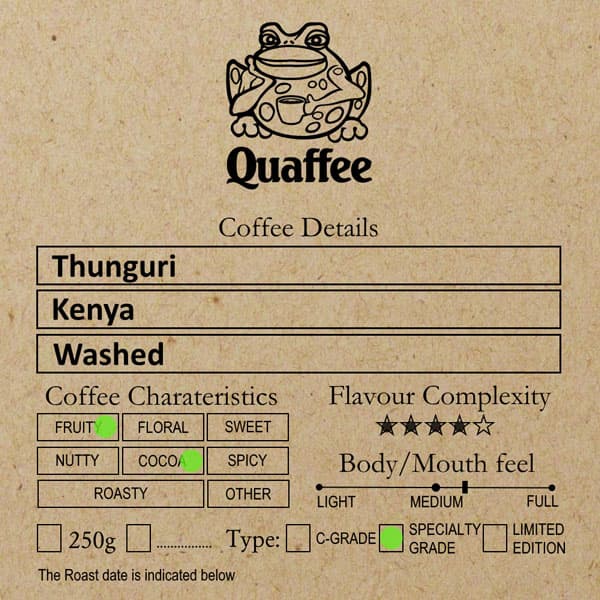
Coffee Details
| Region | Nyeri County, Mukurwe-ini, Kenya |
| Farmers | 752 cooperative members |
| Cultivars | Arabica (Major: SL28, SL34 | Minor: Batian) |
| Altitude | 1,750-1,900 masl |
| Processing | Double-fermented washed process, shade dried initially, then raised-bed sun dried for 14–21 days |
| Packaging | Vacuum packed |
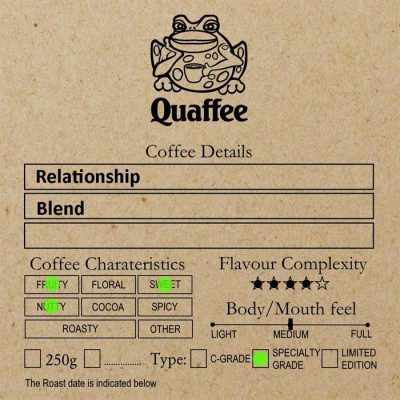
| Primary tastes | Blackberry, citrus, cocoa powder and a red apple finish. Medium to strong body. |
| Roast used | What we call a small bump and kick, to promote acidity. |
| Roast degree | Light (122) – using my-tonino.com |
Our brews:
| Brew Method | Ratio | – | Brew Method | Ratio |
|---|---|---|---|---|
| Espresso | 1:2.1 (26 sec) | AeroPress | 17g:200g (medium grind) | |
| Plunger | 48g:800g | Pour over/filter | 18g:300g (40 sec bloom, 3 min total brewing time) |
Transparency Information
| Producer / Organisation | Thunguri via Kamavindi |
|---|---|
| FOB price | $14 (estimate) |
| Cupping score | 87 (Kamavindi coffee lab) |
| Lot size bought | 1 x 60 kg bag. |
| Relationship | This is the first coffee we have had from Kamvindi Coffee Labs. Co-sourced with Cedar who purchase from Top of the crop. We have co-purchased with Cedar for 3 years. |
Sources
- Sucafina website info on Kenya
- Kamavindi coffee lab info sheet


Reviews
There are no reviews yet.